MONUMENTAL
CAREERS START
HERE.
How will AI affect music production? Artificial intelligence is changing the way music is created, recorded, and produced – but it isn’t replacing the human side of music.
From AI-assisted editing and digital production tools to the continued importance of analogue recording techniques, today’s music industry is becoming a blend of technology and hands-on creativity.
This article explores how AI is shaping the future of music production, why both digital and analogue skills still matter, how schools like Studio West and The Recording Arts Center in San Diego prepare students for modern audio careers, and what beginners should know about job opportunities in the evolving music and audio production industry.
Can AI really become the New Studio Assistant?
Artificial intelligence is quickly becoming part of everyday music production. You might not always notice it, but many modern tools already use AI to help producers work faster and more efficiently. In the coming years, AI will become even more common in studios of all sizes – from bedroom setups to professional facilities.
That doesn’t mean computers are taking over music. What it really means is that producers and artists can spend less time on tedious tasks and more time focusing on creativity, performance, and storytelling. AI is changing how music is made, not why it’s made.
How AI Helps Make Music Easier to Produce.
One of the biggest ways AI affects music production is by saving time. Tasks that once took hours can now be done in minutes.
For example, AI can help choose the best parts of a vocal performance, clean up small timing issues, and reduce background noise in recordings. This makes it easier for beginners to get professional-sounding results without needing years of experience.
AI tools can also help take songs apart into individual elements like vocals or drums, which is useful for remixes, live performances, and social media content. Some tools can even suggest starting points for mixing or help songs sound more polished for streaming platforms.
These tools don’t replace creativity – they simply remove obstacles so ideas can flow more freely.
Why Digital Music Production Will Keep Growing.
Most music today is made on computers using digital software. This approach is popular because it’s flexible, affordable, and easy to share. AI fits naturally into this digital world by helping producers work faster and adapt to new formats.
Artists now release music across many platforms, often needing different versions of the same song for streaming, video, or short-form content. Digital tools make that possible, and AI helps speed up the process.
Because of this, learning digital music production remains essential for anyone interested in a career in audio. AI just becomes another helpful tool in the process.
Why Analogue Audio Still Matters.
With all this technology, you might wonder why older analogue equipment still has a place in music production. The answer is simple: it encourages a different way of working.
Analogue gear often requires musicians and producers to make decisions early and focus on capturing great performances. This hands-on approach helps develop strong listening skills and a deeper understanding of sound.
Many artists also love the feel and character of analogue recording. In a world where music can be endlessly edited, analogue methods help create recordings that feel more personal and authentic. That’s one reason vinyl records continue to grow in popularity and why many studios still use analogue equipment today.
What Humans Still Do Best – and always will.
Even with AI, music production remains a people-driven process. Computers can help with tasks, but they can’t understand emotions, moods, or artistic vision the way humans do.
Producers and engineers play an important role in guiding artists, creating a comfortable environment, and helping bring ideas to life. Knowing when a performance feels right, offering encouragement, and making creative choices are skills that can’t be automated.
As technology becomes more powerful, these human skills become even more important.
Learning Music Production in a Real Studio.
This is where hands-on education becomes valuable. Studio West and The Recording Arts Center in San Diego combine professional studio work with practical training, giving students a chance to learn by doing.
Instead of only learning from books or videos, students work in real studio spaces, using both modern digital tools and classic analogue equipment. They also learn how AI fits into modern production – how to use it responsibly and creatively rather than relying on it blindly.
Being in a working studio helps students understand how sessions run, how to work with others, and what’s expected in real jobs.
Career Opportunities in Music and Audio.
Careers in music production aren’t limited to recording artists or albums. Audio professionals work in many areas, including podcasts, film, television, video games, live events, and online media.
While competition exists, there are steady opportunities for people who are adaptable and skilled. Learning a mix of creative, technical, and collaborative skills increases the chances of finding work in this growing field.
AI doesn’t eliminate jobs – it changes them. Those who understand both technology and creativity will be best prepared.
Looking Ahead.
AI will continue to shape the future of music production, making it easier for beginners to get started and for professionals to work more efficiently. Digital tools will keep evolving, while analogue methods remain important for creativity and character.
The future belongs to producers who understand the basics, stay curious, and know how to use technology without losing the human side of music.
We live the “professional” in Professional Audio every day. Our love for the process runs deep.
FEELING LIKE YOU BELONG HERE? LET’S GET TO KNOW EACH OTHER.
[We’re really, really proud]
OUR GRADS ARE FINDING SUCCESS EVERYWHERE.
TRAC Diploma graduates enter the world of Professional Audio with the confidence and skills that can only come from an industry-focused hands-on education. Our Alumni have found success across the instrustry, and whether they’re running live sound in major venues or on tour, engineering in some of the best studios in the world, establishing themselves as independent producers, or working on the next big blockbuster film, we couldn’t be prouder of our grads!
Jacob Powell
SIR STUDIOS, NEW YORK
“I didn’t know anything about audio other than the fact that I wanted to do it as a profession. Even though I learned years worth of knowledge and experience at TRAC, I believe the biggest thing I gained from the program was my network. I got the job at SIR Studios NYC literally because a former classmate vouched for me. I even got recording gigs in Brooklyn with an Australian rapper and a Nepali producer as a result of a recommendation made from a former classmate in California. I also recorded an entire album with an artist I worked with as a student who happened to also live in NYC. I cannot say enough to stress the benefits of my time at TRAC. It has been a life changing and career advancing opportunity that I encourage anyone looking to go into this field to pursue.”
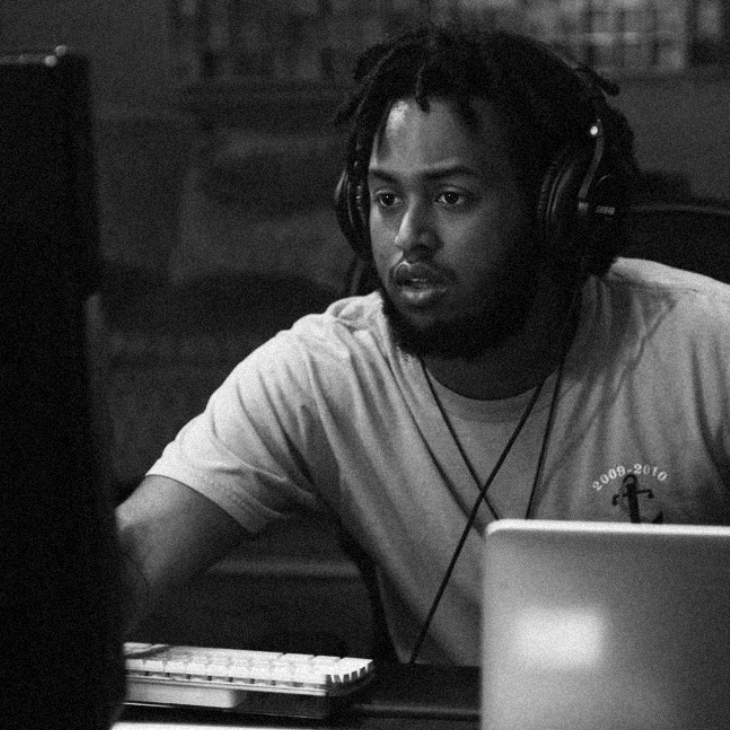
After graduating from The Recording Arts Center in May of 2016, Jacob interned at Studio West and at the La Jolla Music Society Summer Fest before landing a job as an audio engineer at SIR Studios in New York City.
Sam McCormick
PLAYSTATION STUDIOS, SONY
“A lot of what we learned at TRAC is stuff that I do every day. I’m editing audio using techniques we learned, and the way we learned to do VO and Post sessions is exactly how we do it here. The classes in Studio A were probably the most profound experience I had in the program. The foundation in analog signal flow that we learned is essential to understanding the business. You can walk into any studio and that stuff is transferable.”
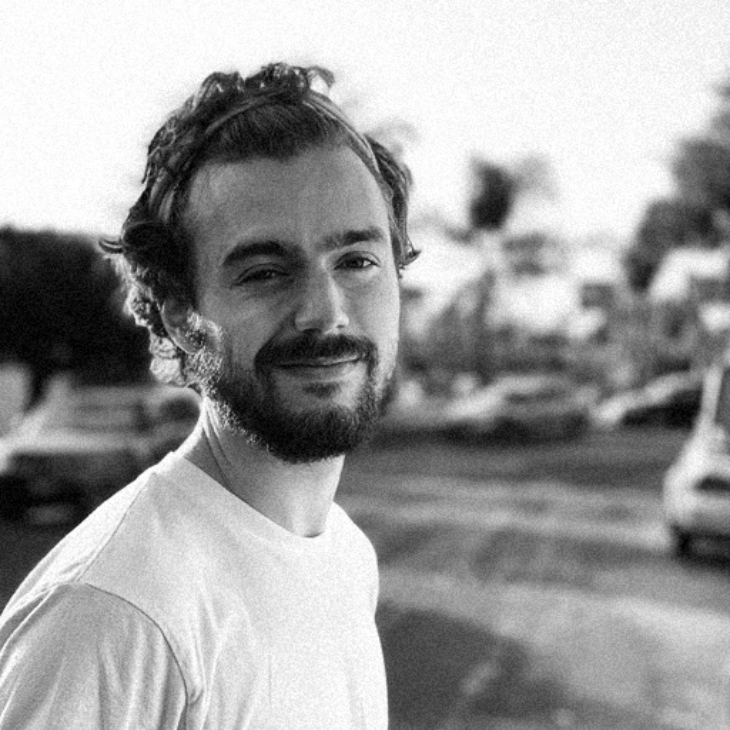
Sam graduated from The Recording Arts Center in January 2016, and interned first with Studio West, then with Hans Zimmer Studios, where he was quickly hired to assist with music for numerous television pilots. Currently Sam is working as an engineer and audio editor for Sony’s Playstation Studios.
Jordan Cantor
EASTWEST STUDIOS, LA
“It was always a dream of mine to work (at EastWest Studios.)You can feel the history here, it’s in the walls. A ton of what I learned at TRAC is stuff that I do every day now. Whether it’s setting up to track drums, knowing my way around Pro Tools, or knowing all of the mics and outboard gear. There’s a certain handfull of stuff that’s in every studio, and when I get an email from an engineer with their room setup, I’m able to know exactly what everything is and exactly how to set it up.”
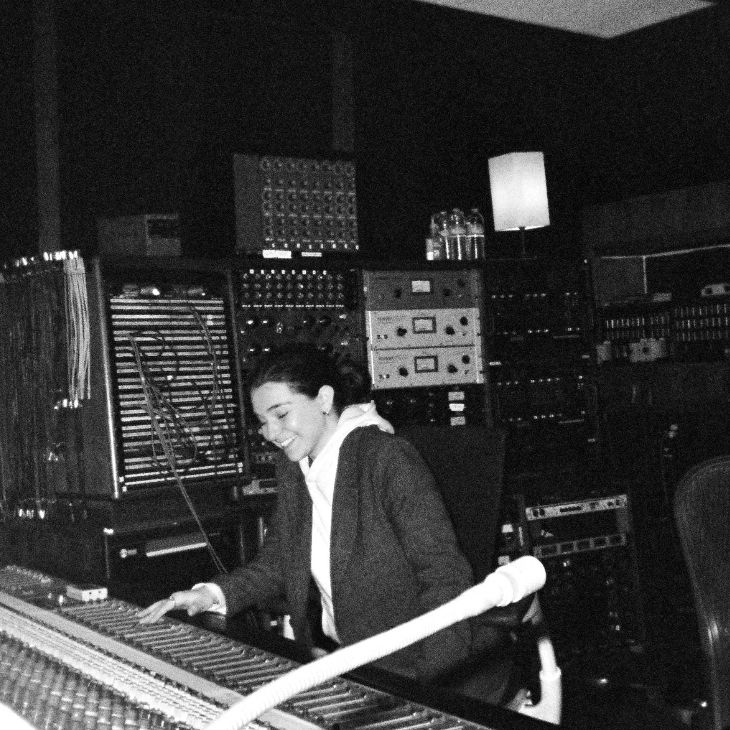
Jordan graduated from the Diploma Program in 2021, and was immediately brought on as a runner at Larrabee Studios in LA, working under famed mixing engineer Manny Marroquin. She soon moved on to EastWest Studios where she currently works as Assistant Engineer for some of the world’s best engineers and producers.
Steven Groot
TURNING POINT, SD
In October of 2016, Steven graduated from TRAC. A few days later he saw a posting for a Sound Mixer and Editor job at Turning Point, a non-profit Christian organization in Lakeside. The job required 5 years of experience. Without this experience, Steven applied anyway. After a lengthy interview process that required four meetings, he was the top candidate and was offered the full time position of Sound Mixer/Editor. Steven works collaboratively with members of the television, radio, and digital media teams to provide audio mixes.